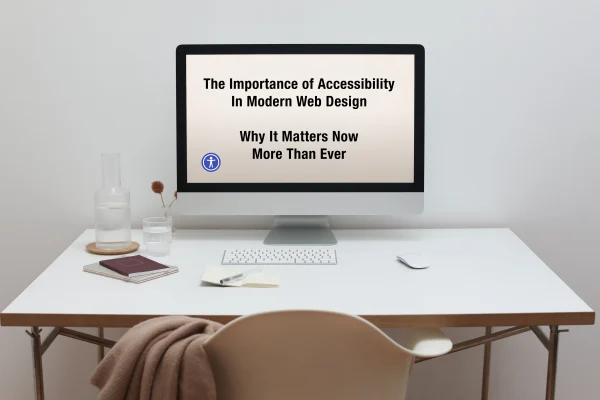
And Why It Matters Now More Than Ever
Design is no longer just about creating something that looks good—it’s about creating experiences that work for everyone. As technology becomes a bigger part of everyday life, accessibility is emerging as one of the most important factors in modern design.
Accessibility ensures that people of all abilities can use and interact with websites, apps, products, and digital content. And as businesses strive to reach broader audiences, accessible design is becoming a necessity rather than an option.
Accessibility Benefits Everyone
Many people think accessibility only serves individuals with disabilities, but the reality is much broader. Features like clear navigation, readable text, captions, and intuitive layouts improve the experience for all users.
When design is easier to understand and use, everyone benefits.
Expanding Your Audience
More than a billion people worldwide live with some form of disability. By designing with accessibility in mind, businesses can reach a larger audience and ensure their products and services are available to more people.
Inclusive design removes barriers and creates opportunities for greater engagement.
Building accessibility into your design process from the beginning is far easier than trying to add it later.
Better User Experience
Accessibility and usability go hand in hand. Simple navigation, strong color contrast, clear content structure, and mobile-friendly interfaces make digital experiences more effective for everyone.
A better user experience often leads to higher customer satisfaction and stronger brand loyalty.
As accessibility standards continue to evolve, businesses that prioritize inclusive design will be better prepared for future expectations and regulations.
Accessibility Supports Innovation
Some of today’s most widely used features originated as accessibility solutions. Voice assistants, speech-to-text technology, and video captions are just a few examples.
Designing for accessibility often encourages creative thinking and leads to innovations that benefit a wide range of users.
Future-Proofing Your Brand
Final Thoughts
Accessibility is more than a design trend—it’s the future of creating meaningful, inclusive experiences. By designing with accessibility in mind, businesses can reach more people, improve user satisfaction, and build products that truly serve everyone.
The best design isn’t just beautiful. It’s accessible, usable, and welcoming to all.
One thing that’s working well across both blogs is that they’re:
Easy to scan with clear headings
Focused on practical takeaways
Short enough to keep readers engaged
Broad enough to appeal to a business audience
If you’re building out a content calendar, these topics pair nicely with related posts such as:
5 Common Accessibility Mistakes Businesses Make
How Good Design Improves Customer Experience
The Importance of Mobile-First Design
Signs Your Website Needs a Redesign
How Automation Can Improve Business Efficiency
The Benefits of a Strong Client Onboarding Process
Why User Experience Matters More Than Ever
Design Trends Shaping the Future of Digital Experiences
Those topics naturally connect to the two blogs you’ve already written and can help build authority around design, user experience, and business efficiency.